
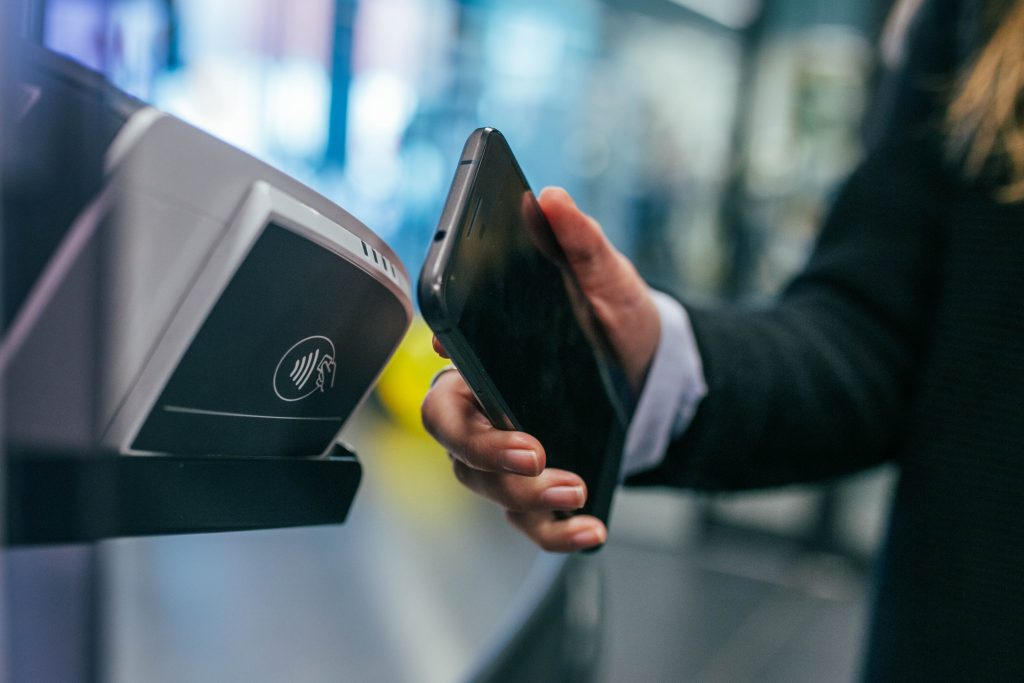
In today’s fast-paced world, contactless credit cards have become a game-changer in the way we make payments. But what exactly is a contactless credit card? Unlike traditional cards that require you to insert them into a device and enter a PIN, contactless payments are as simple as holding your card over the payment device. It’s often referred to as “tapping,” although touching the device is not necessary.
This technology relies on Near-Field Communication (NFC), a short-range wireless tech that enables rapid data transfer between devices just centimeters apart. It’s based on Radio-Frequency Identification (RFID) technology, which you can find in public transport passes and security systems. In addition to NFC, contactless cards come equipped with an EMV chip, credit card number, expiration date, security code, and, notably, a magnetic stripe (though this is gradually being phased out). The benefit? Contactless payments are up to 10 times faster than swiping a magnetic stripe, inserting an EMV chip, or using cash. Plus, they keep your information secure and your hands off the card reader.
Contactless technology bridges the gap between our physical and digital worlds, making it one of the key technologies we interact with daily.
The Security Conundrum
But with great convenience comes significant security concerns. Since you don’t need a PIN to make a payment, a lost or stolen card can be easily misused. Some issuers mitigate this risk by limiting daily transactions and capping single transaction amounts. If you lose your contactless card, reporting it promptly is essential.
Mobile devices offer an extra layer of security, requiring a passcode or fingerprint authentication before using contactless payments. Nonetheless, reporting a lost phone to your bank or card issuer remains crucial.
Best practices for secure contactless card use have emerged, including multifactor authentication (MFA) implementation, encrypted transactions, and adherence to Payment Card Industry (PCI) Security Standards. The PCI Contactless Payments on Commercial Off-The-Shelf (CPoC) standard released in December 2019 enhances global payment data security.
Benefits of Using Contactless Credit Cards
Contactless credit cards offer a host of benefits:
- Convenience: They are a quick and hassle-free way to make transactions, ideal for busy situations like coffee shops and public transport.
- Hygiene: In the era of COVID-19, contactless payments limit physical contact with shared surfaces.
- Security: With contactless payments, your card never leaves your hand, reducing the risk of fraud. Tokenization makes data theft more challenging.
Unveiling the Drawbacks
Despite their advantages, contactless credit cards have drawbacks:
- Safety concerns: They remain susceptible to unauthorized use if lost or stolen.
- Technical issues: Card failure can disrupt the contactless feature, but traditional payment methods are still available.
- Transaction limits: Some institutions impose value limits to prevent theft, requiring card insertion and PIN entry for large purchases.
Emerging Trends
Several trends are shaping the future of contactless payments:
- Mobile wallets and wearables: Mobile wallets and wearable devices are gaining prominence as convenient tools for contactless payments.
- Expansion of contactless infrastructure: Expanding hardware and software support is vital to increasing accessibility for consumers and merchants.
- Biometric authentication: Enhancing security and convenience, biometric authentication methods like fingerprints and facial recognition are making contactless payments even safer.
A Trend of Using Contactless Credit Cards Here to Stay
Contactless payment is not a passing fad; it’s a lasting trend. As technology continues to advance, we can anticipate even more user-friendly innovations, making transactions smoother. Whether you’re a consumer or a business owner, it’s worth exploring how contactless payment can benefit your bottom line.